Sometimes the true value of a SHARE Project container is not fully realised until we see what happens after the doors are opened.
The latest photographs received from Papua New Guinea provide a wonderful insight into exactly that — showing goods that left Australia now being distributed to families, communities and hospitals around Goroka and beyond.
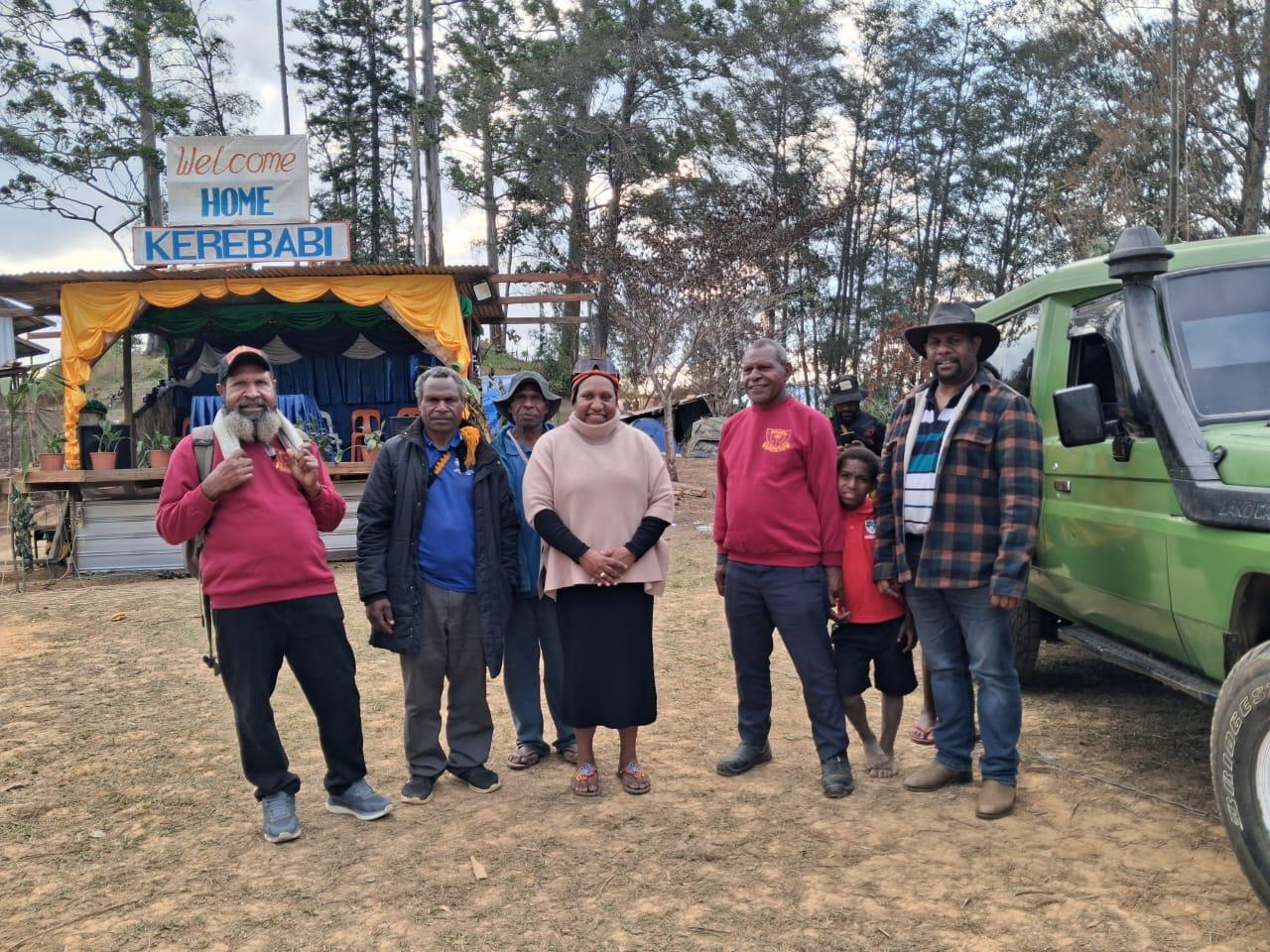
A journey to Kerebabe
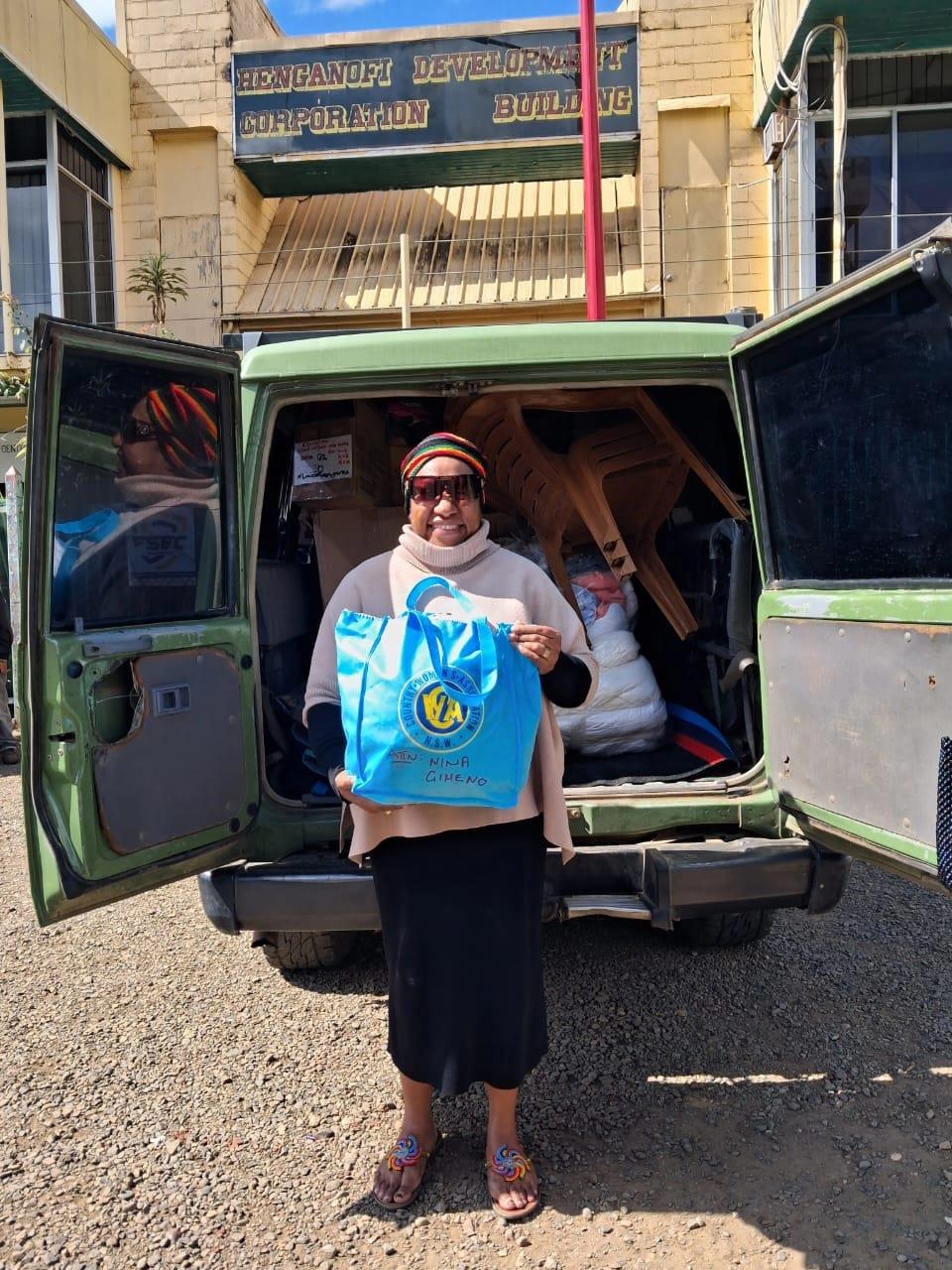
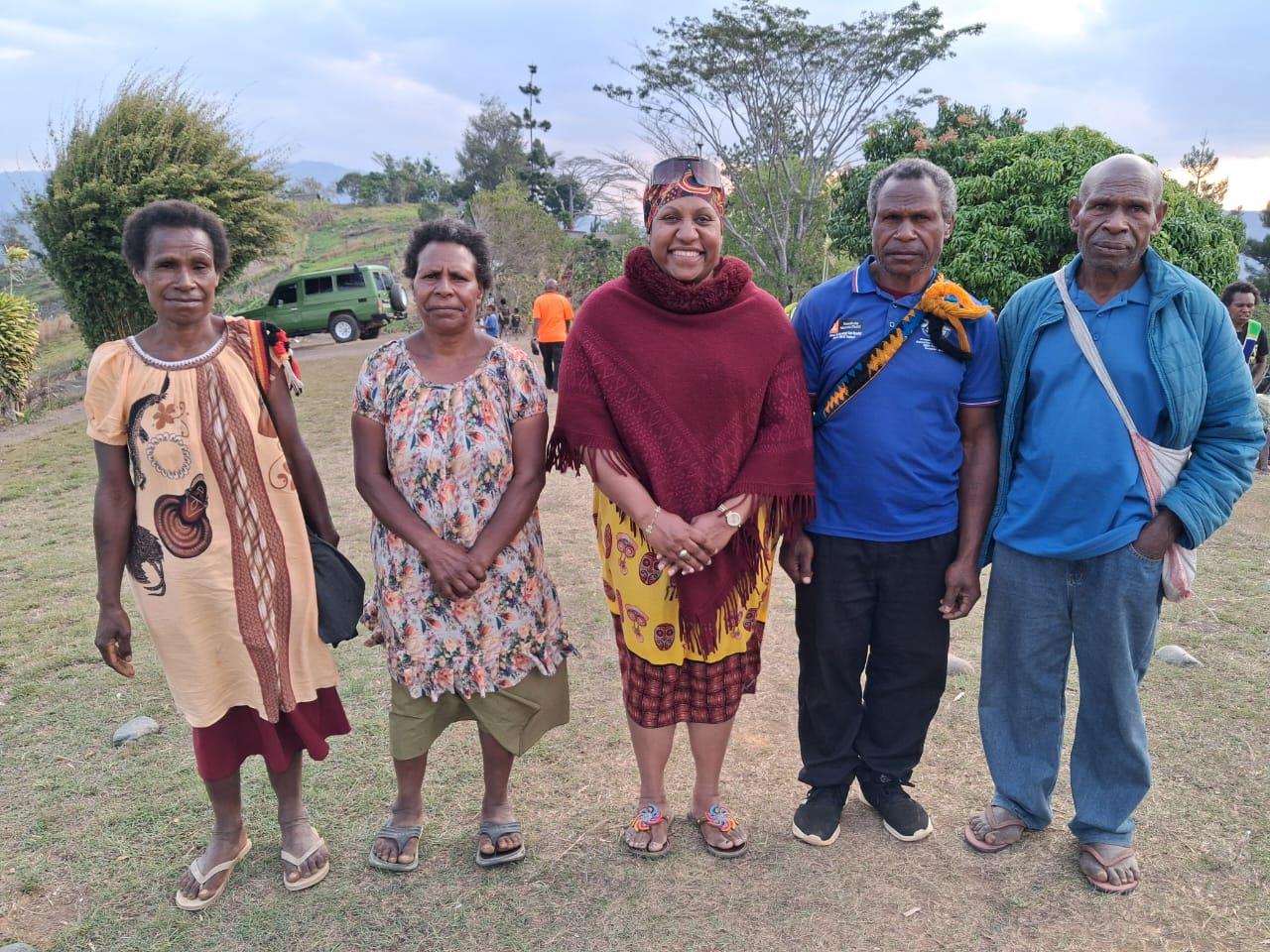
On Thursday 10 September, the MOFA Foundation travelled approximately an hour from Goroka to Kerebabe in the Henganofi District to participate in a Peace and Reconciliation Program.
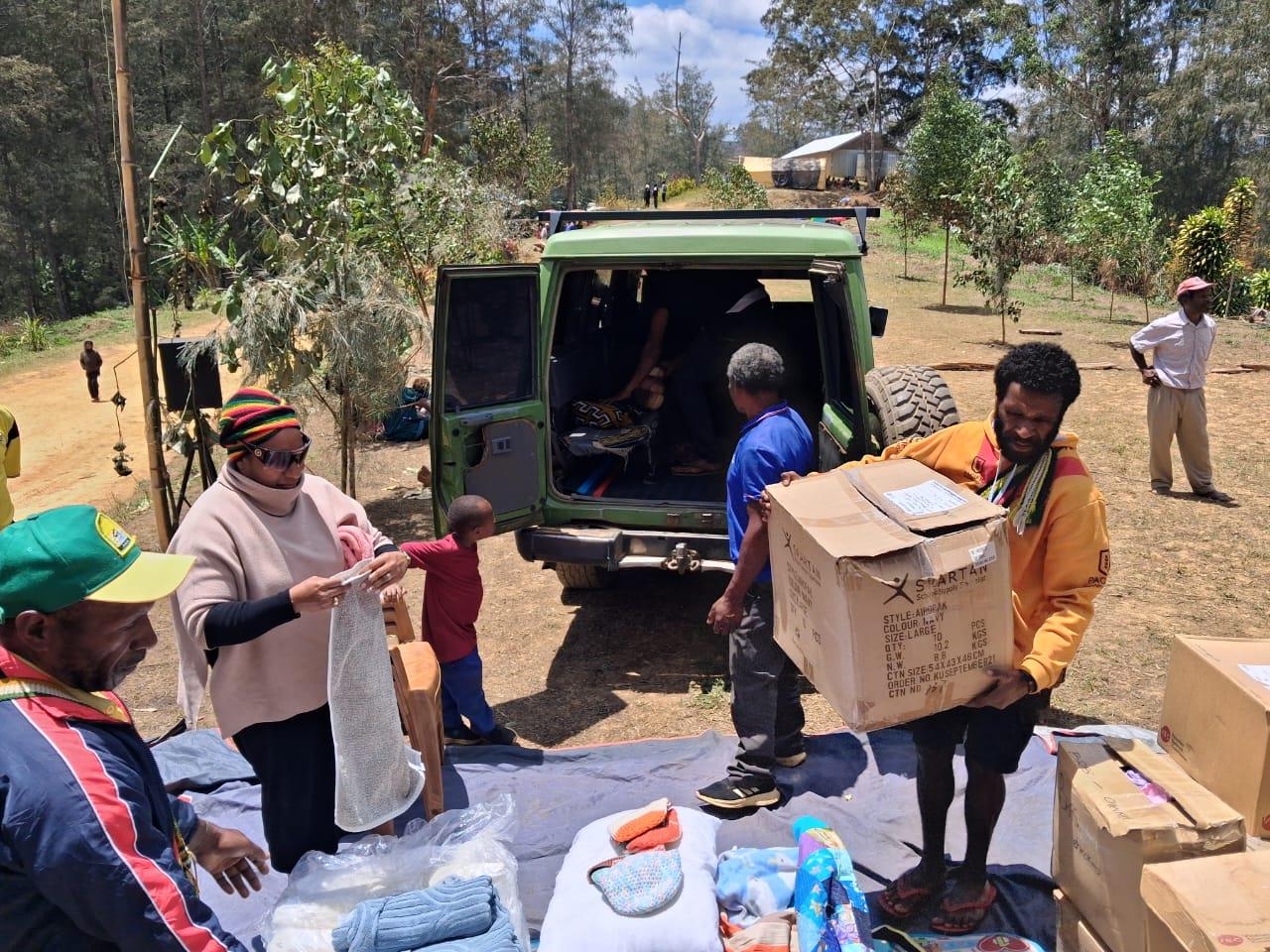
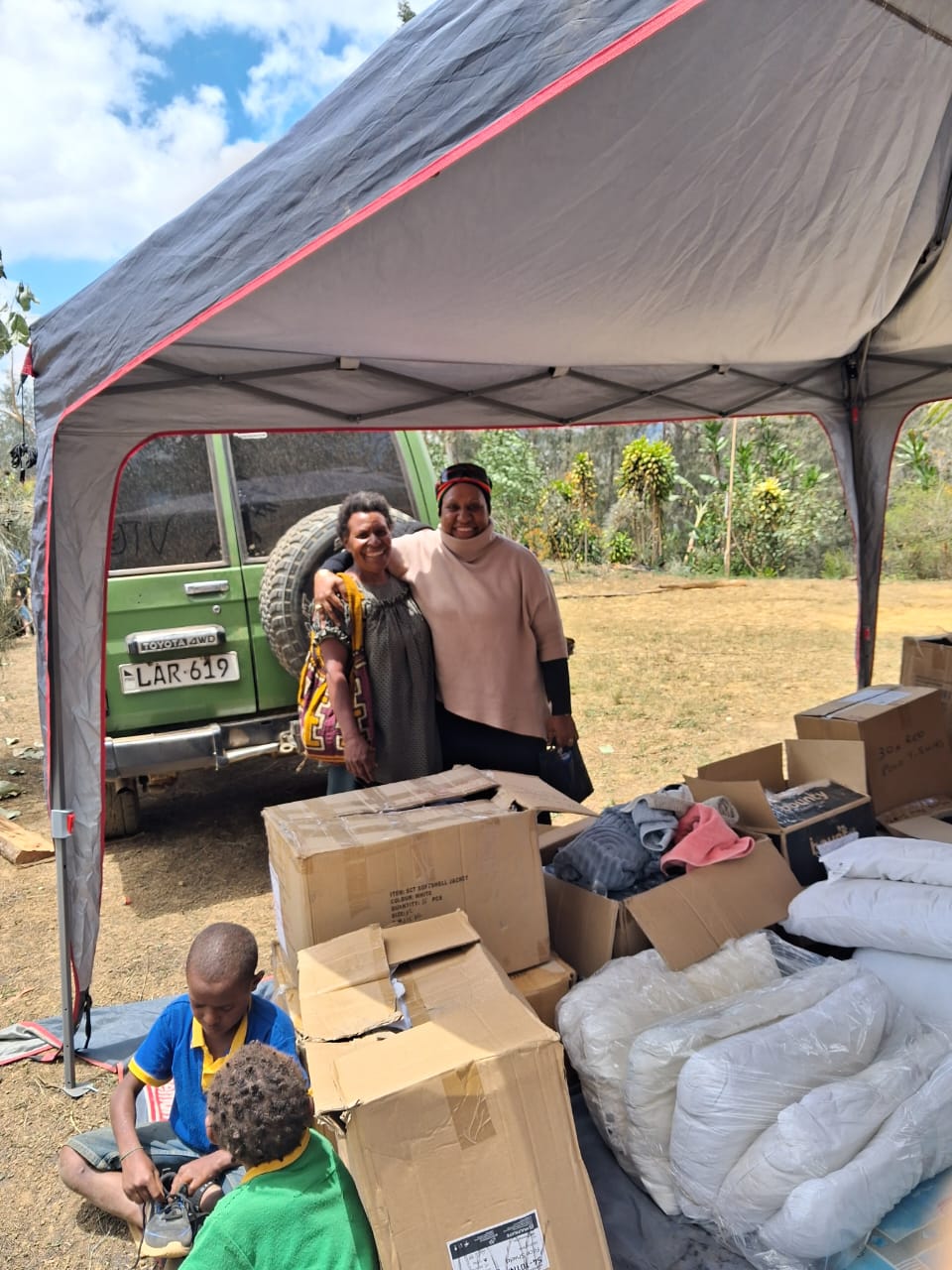
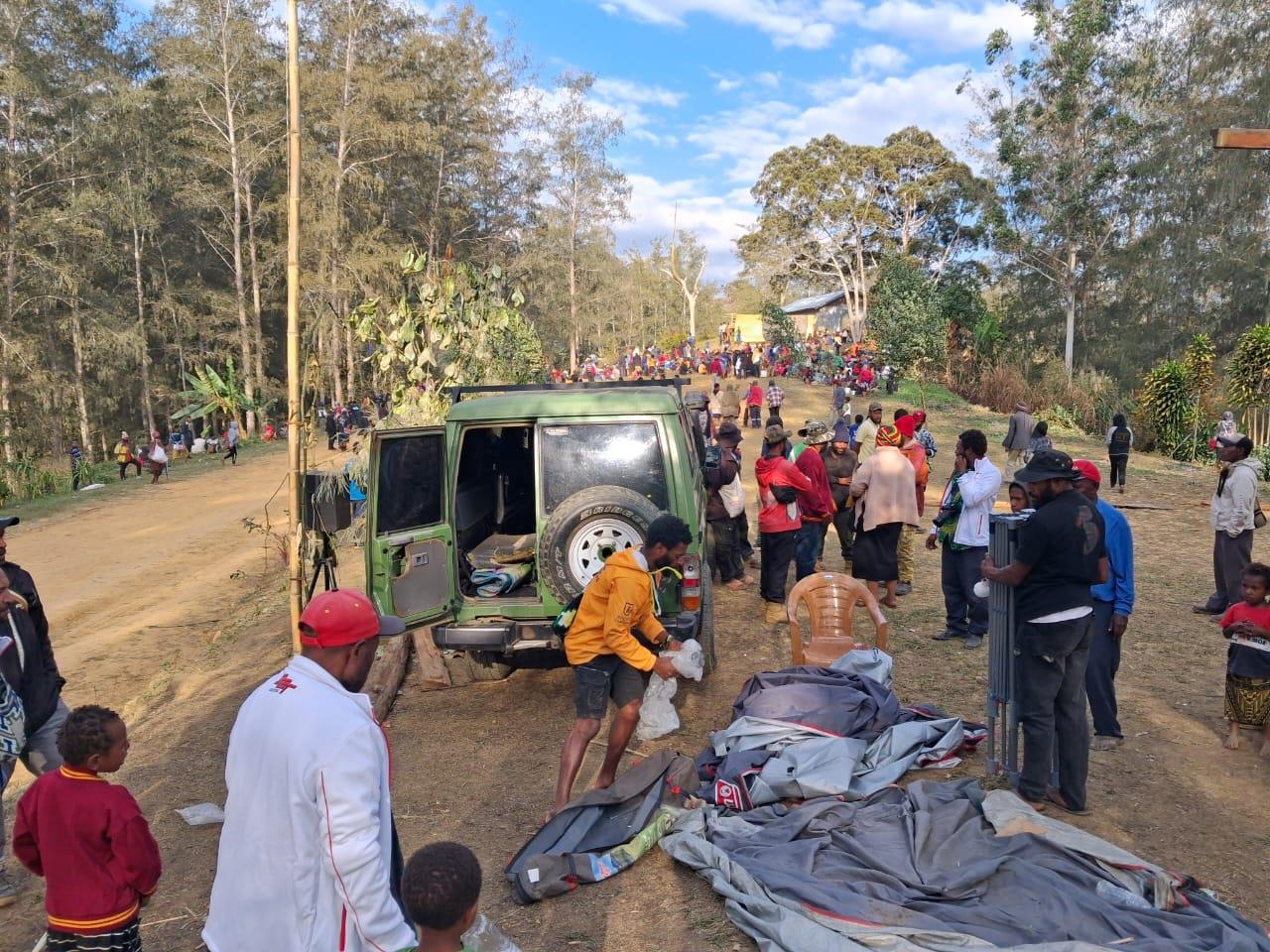
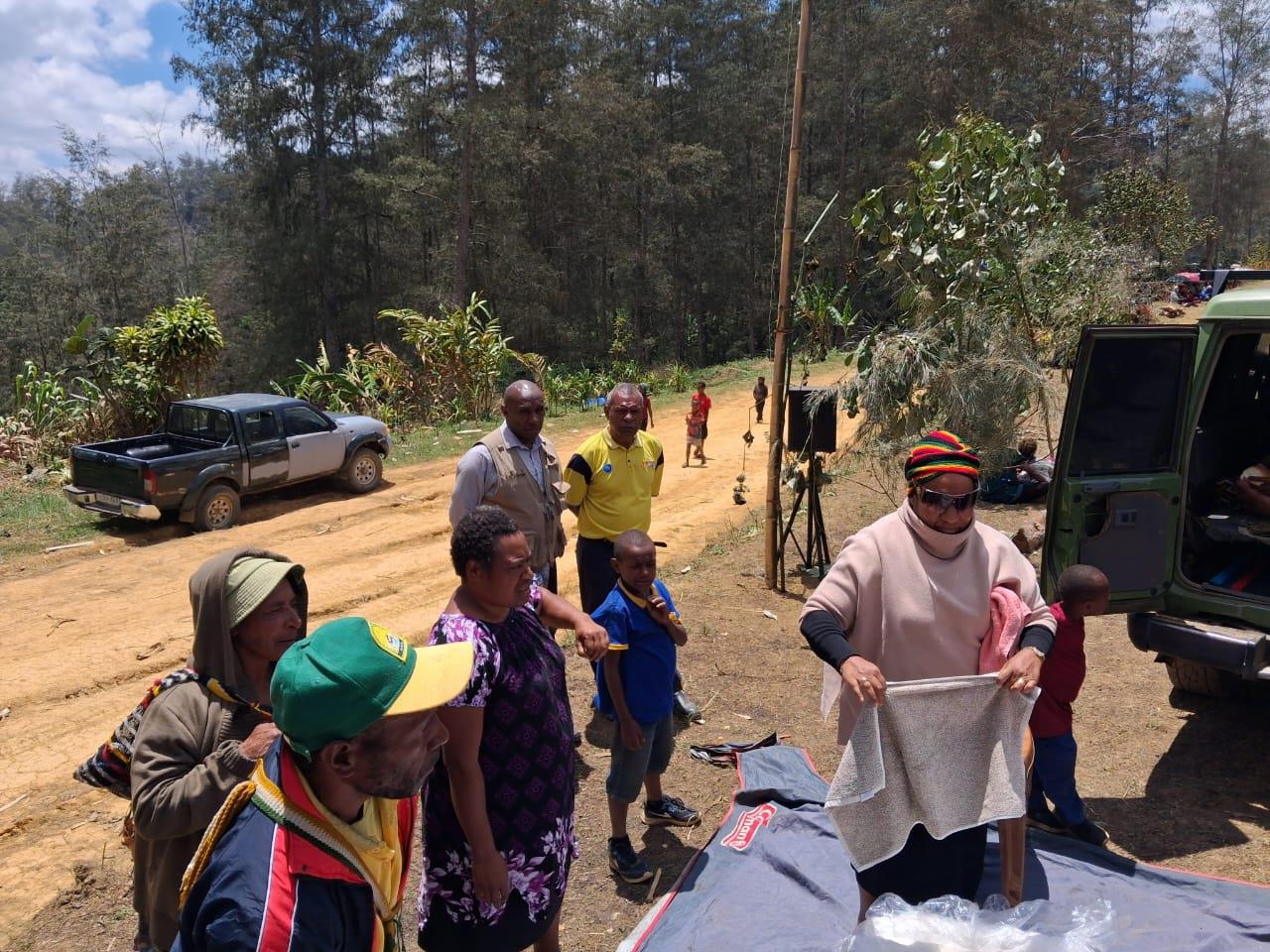
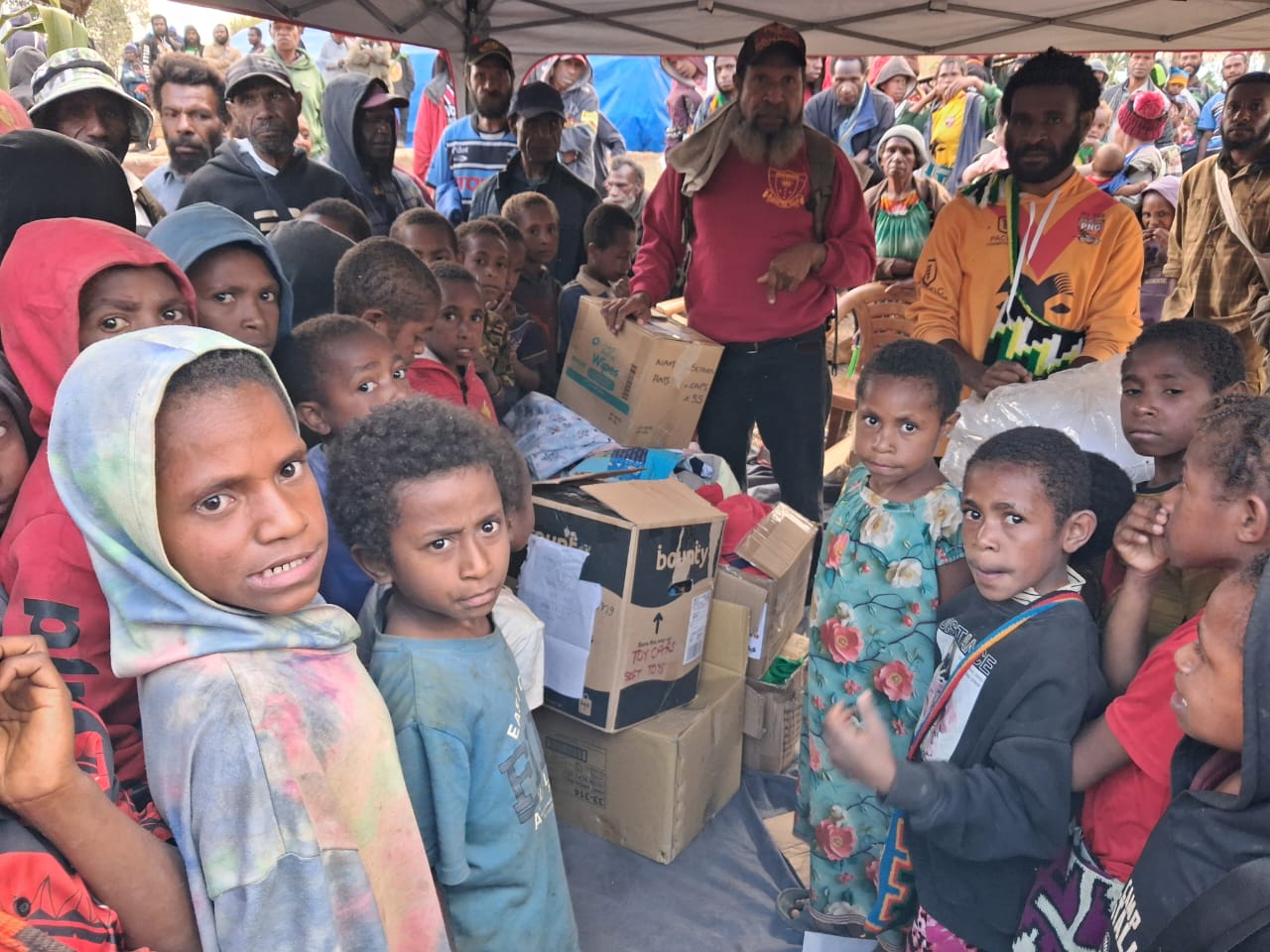
The team loaded their vehicle with goods from the donations received from Australia, including backpacks, jackets and windcheaters, doona covers, shirts, polo shirts, hats, toys, soft toys, pillows, baby blankets, knitted baby items and other clothing.
When they arrived, the boxes were unloaded and the area prepared for the Peace and Reconciliation Program.
MOFA Foundation had the opportunity to address the gathering and explain that the gifts had come from friends in Australia.
The photographs tell the story beautifully.
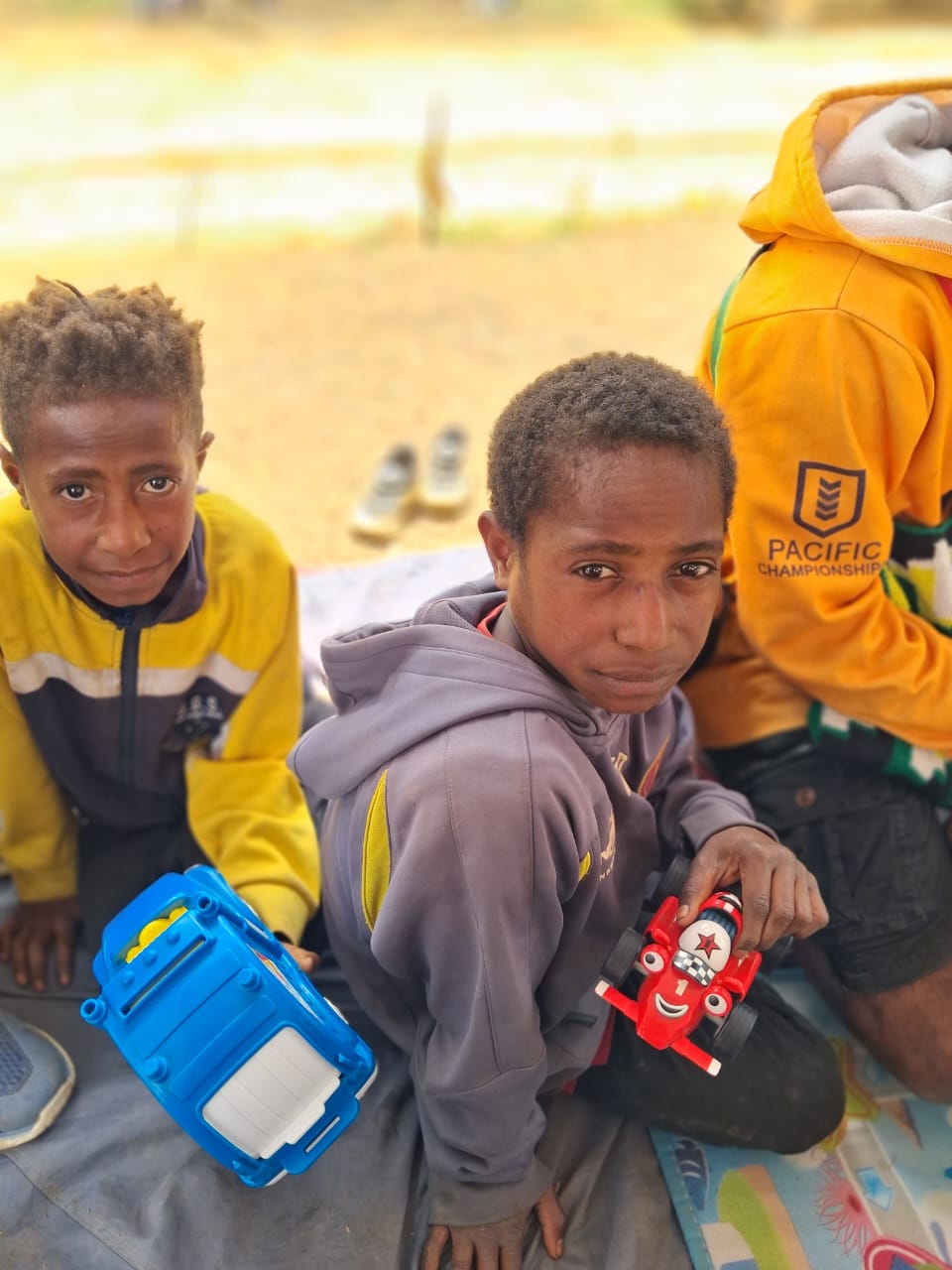
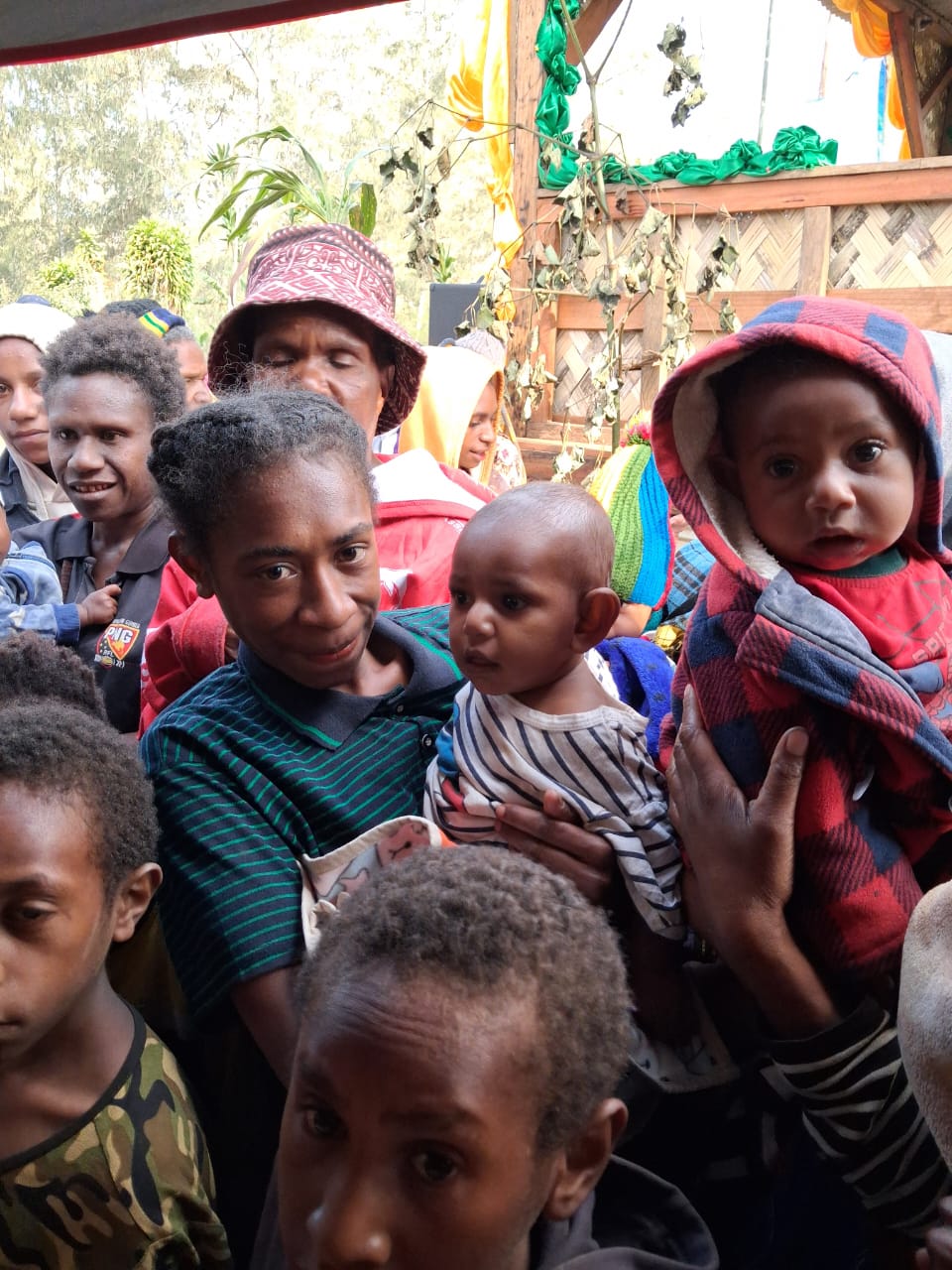
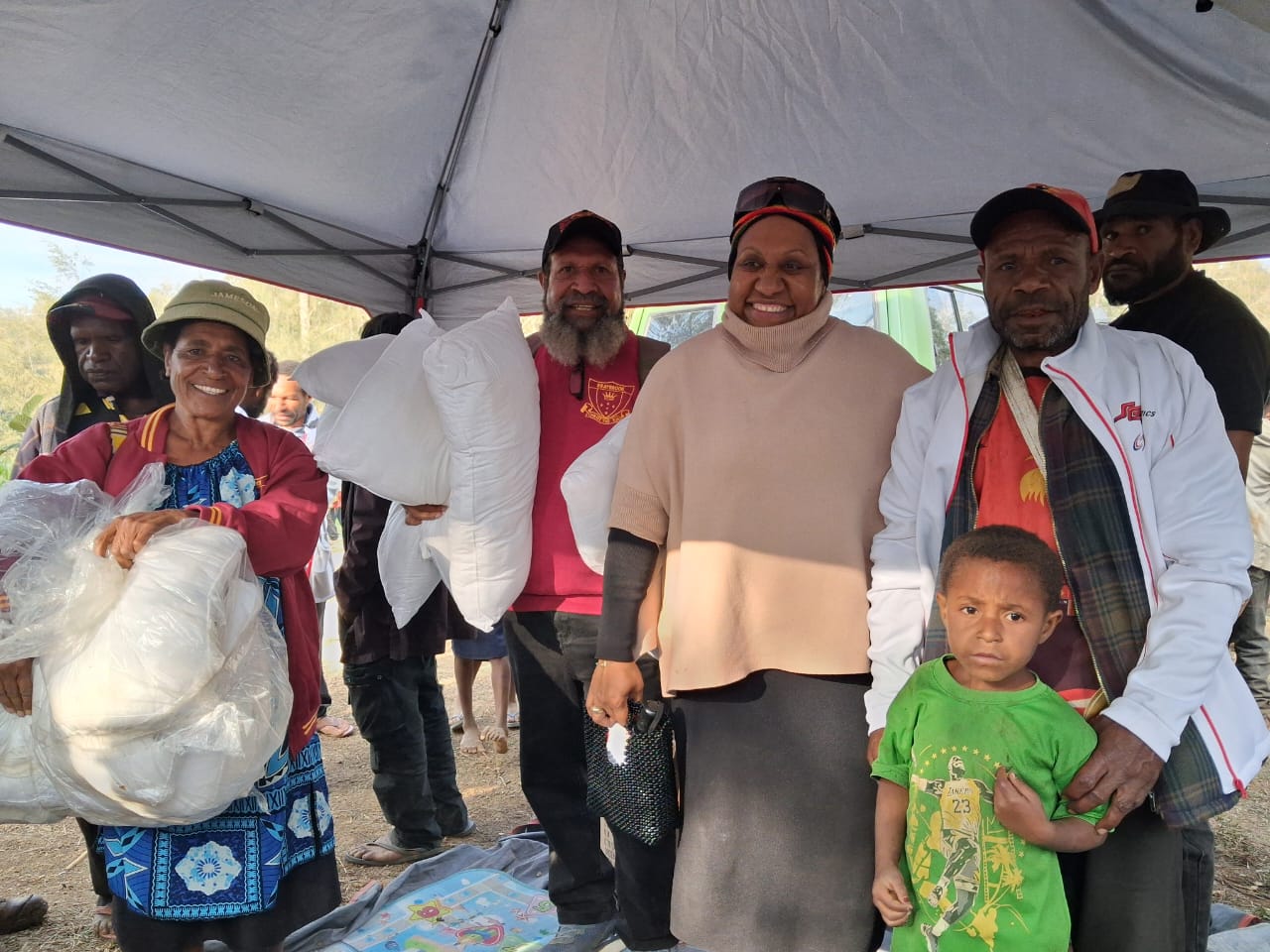
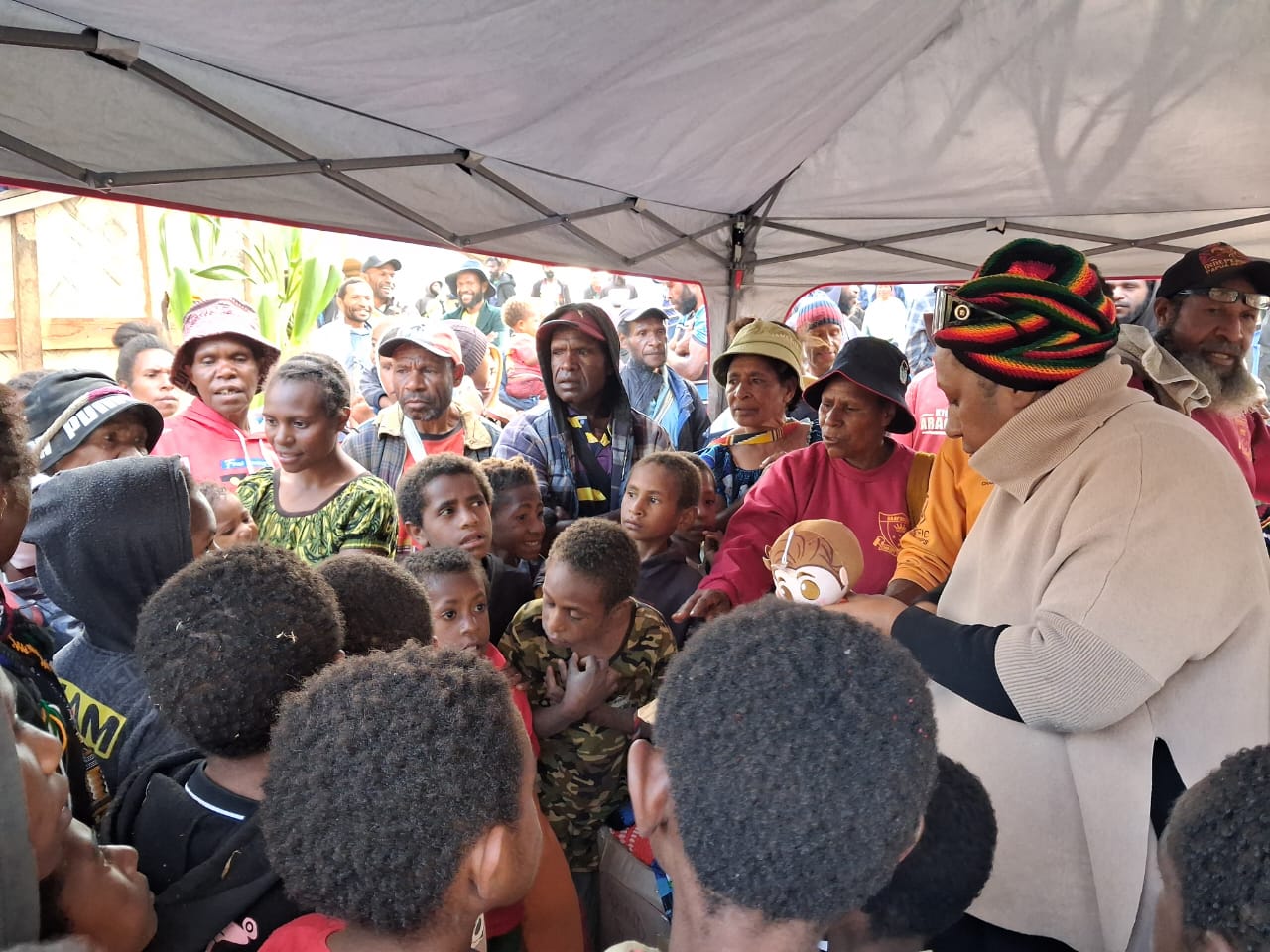
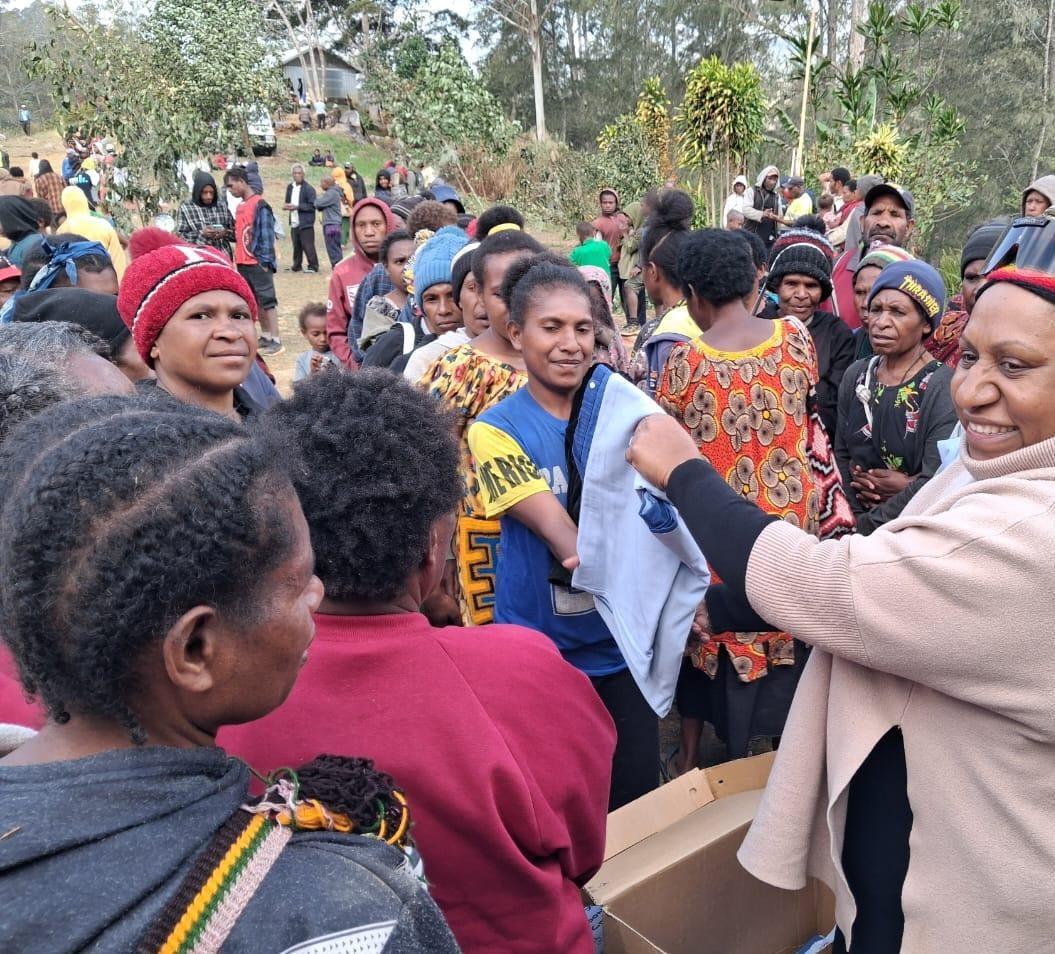
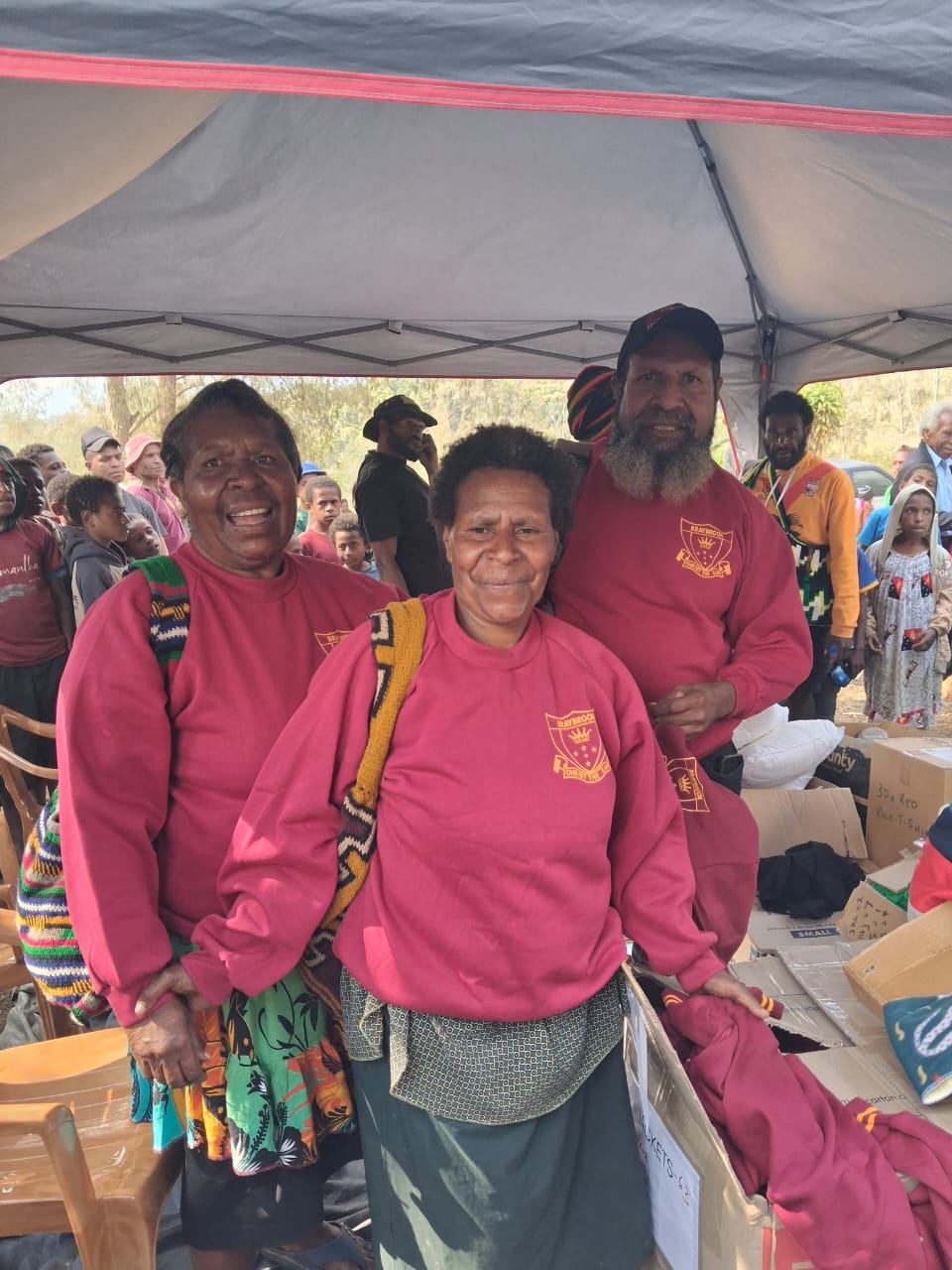
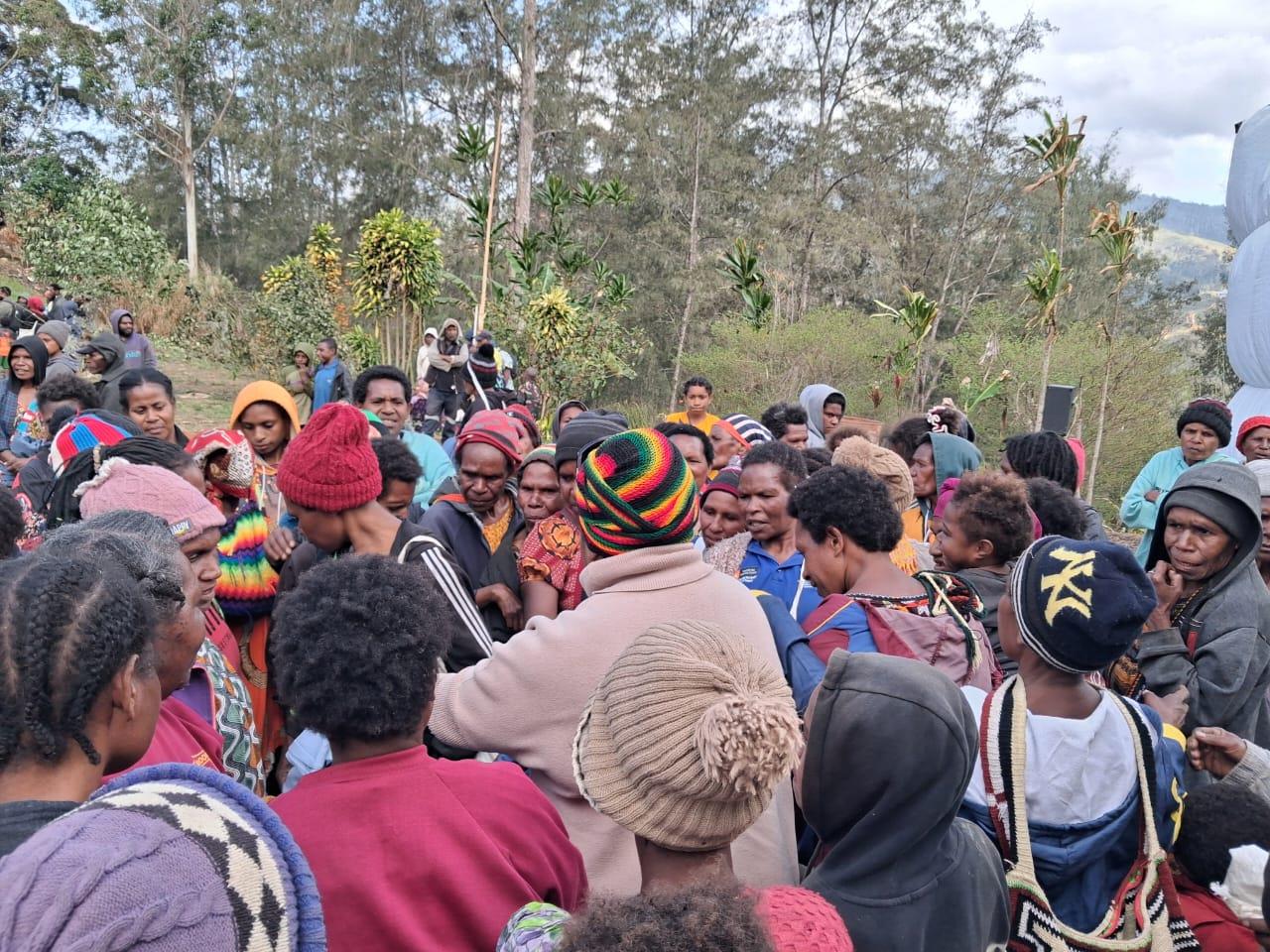
Babies, toddlers, children, young people, men and women were all able to receive something. Community pastors and members of the Peace Committee were also presented with bags and jackets.
Everyone was asked to form one line so that each person could receive a gift.
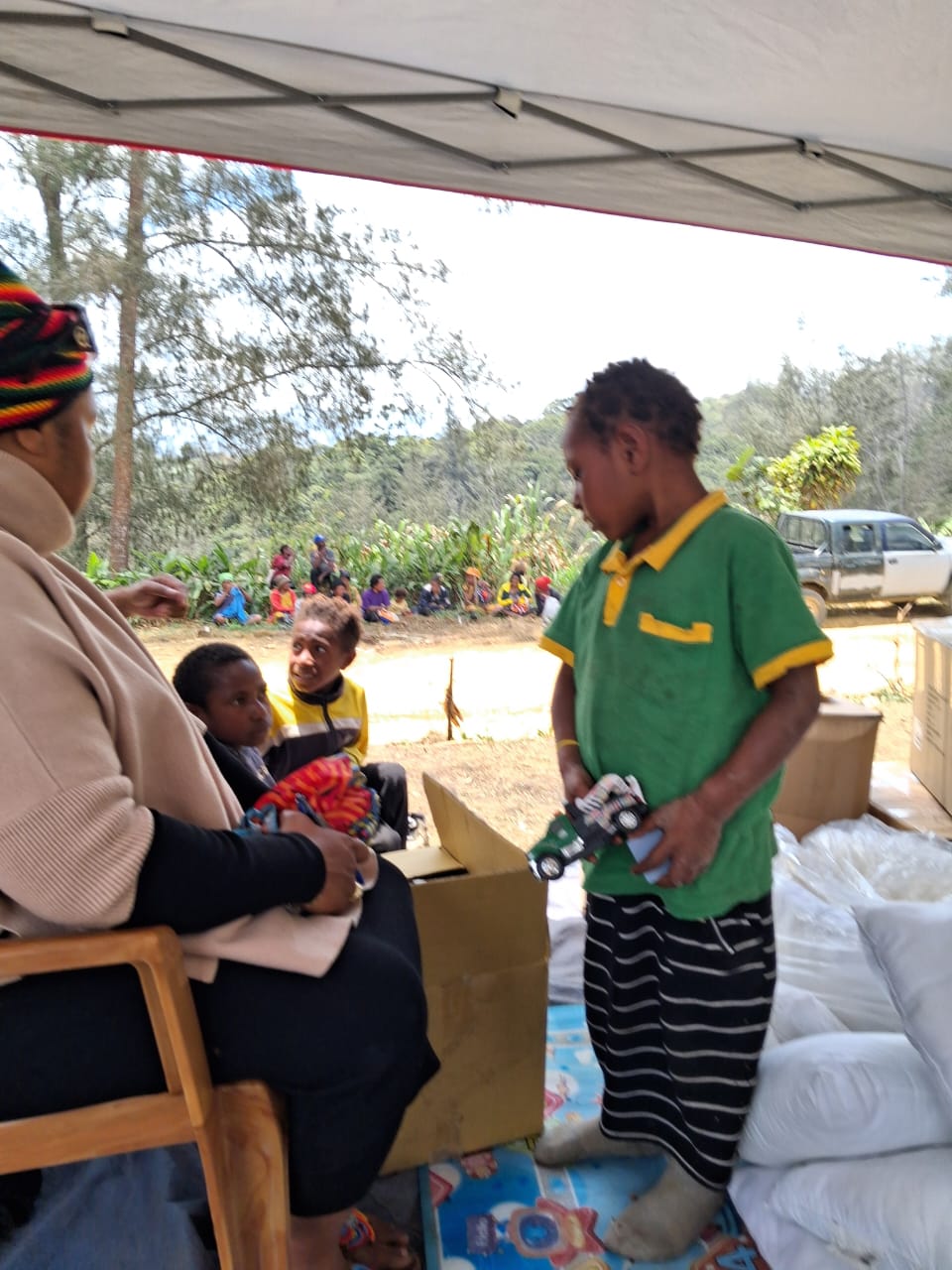
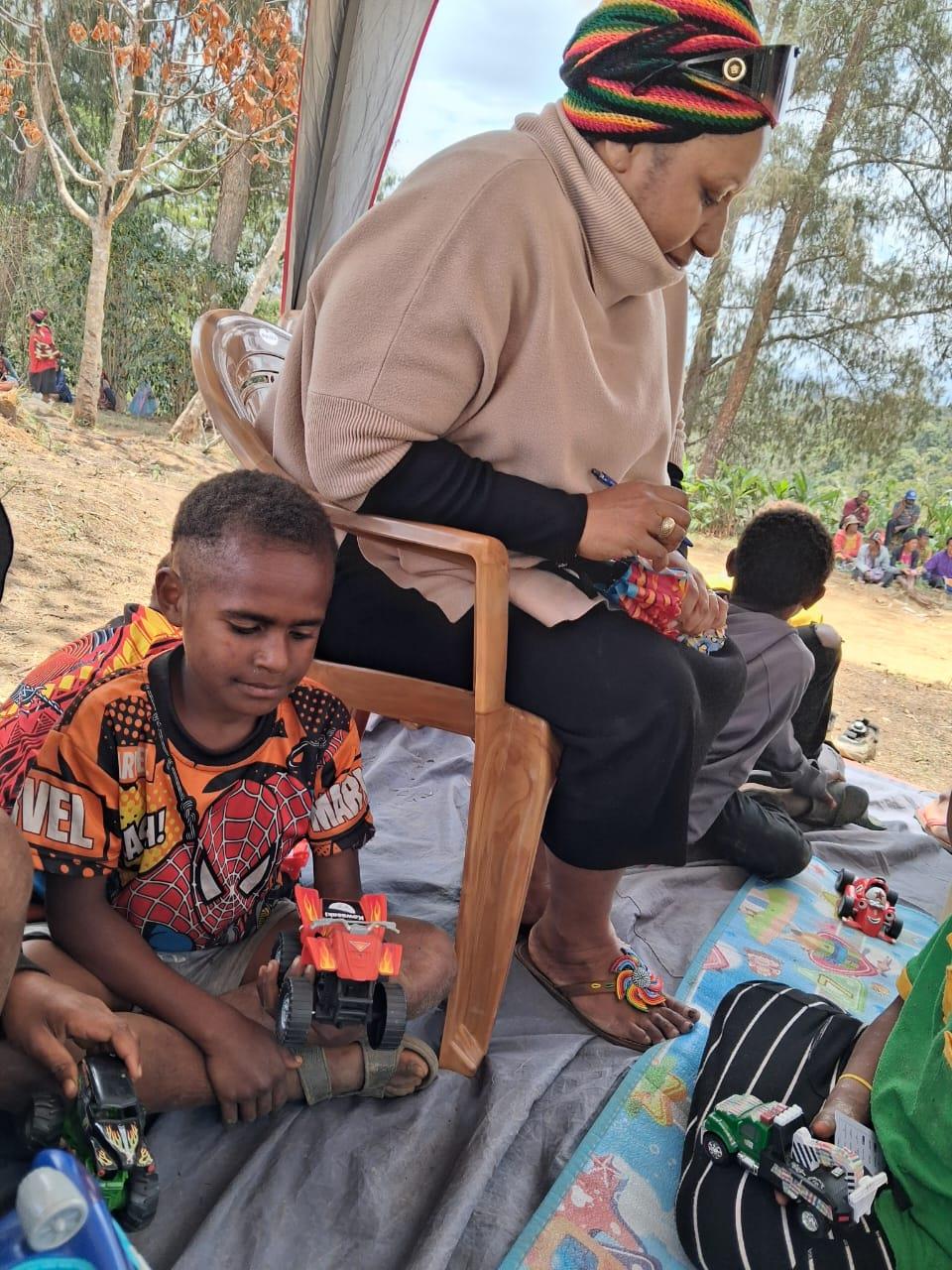
One particularly touching series of photographs shows children gathering around as the toys were unpacked.
Each child was invited to choose one toy — and, according to the accompanying notes, they remained close by for the rest of the program.
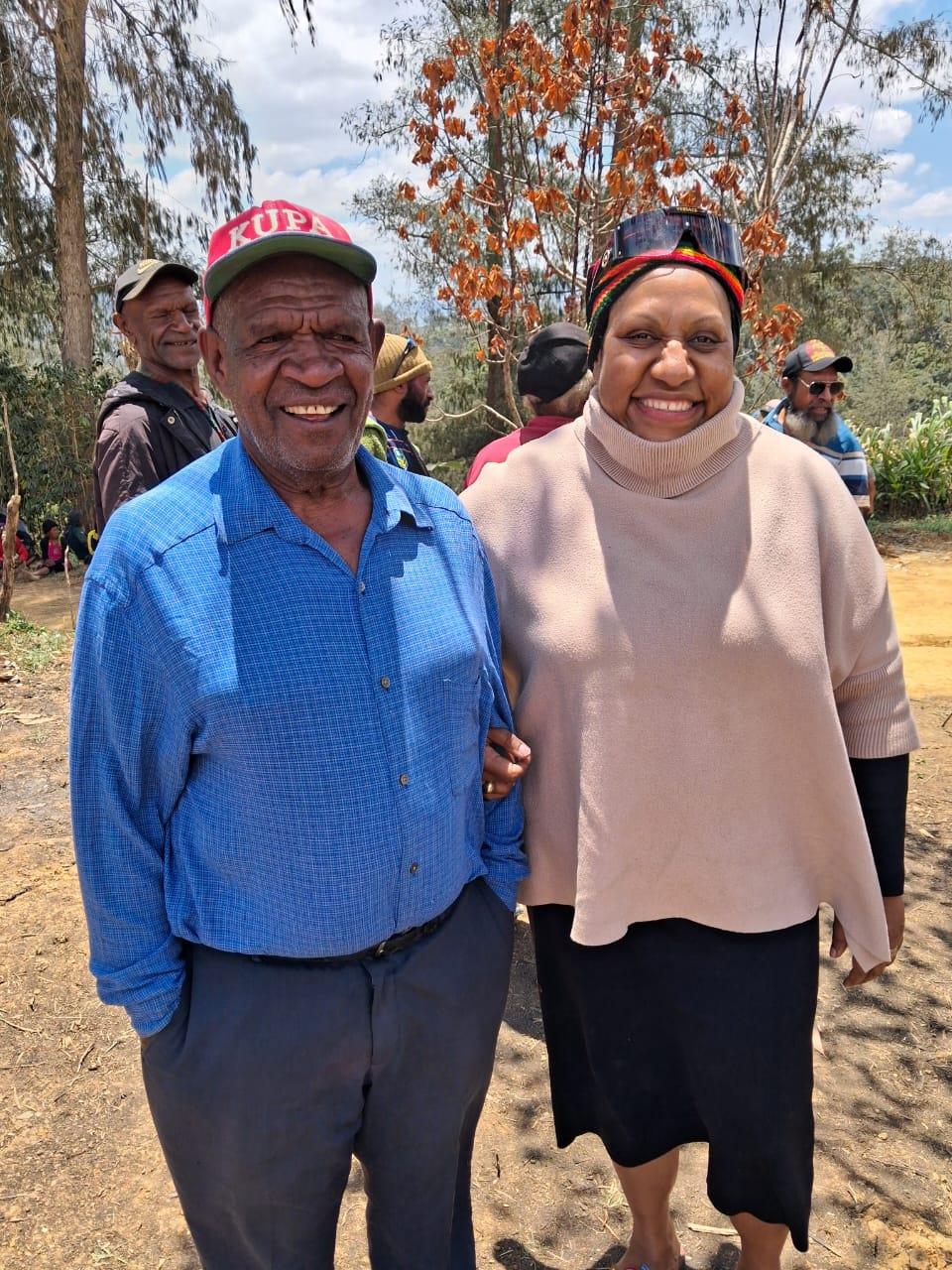
Another photograph captures an elderly woman overcome with emotion as she greets the MOFA Foundation team. 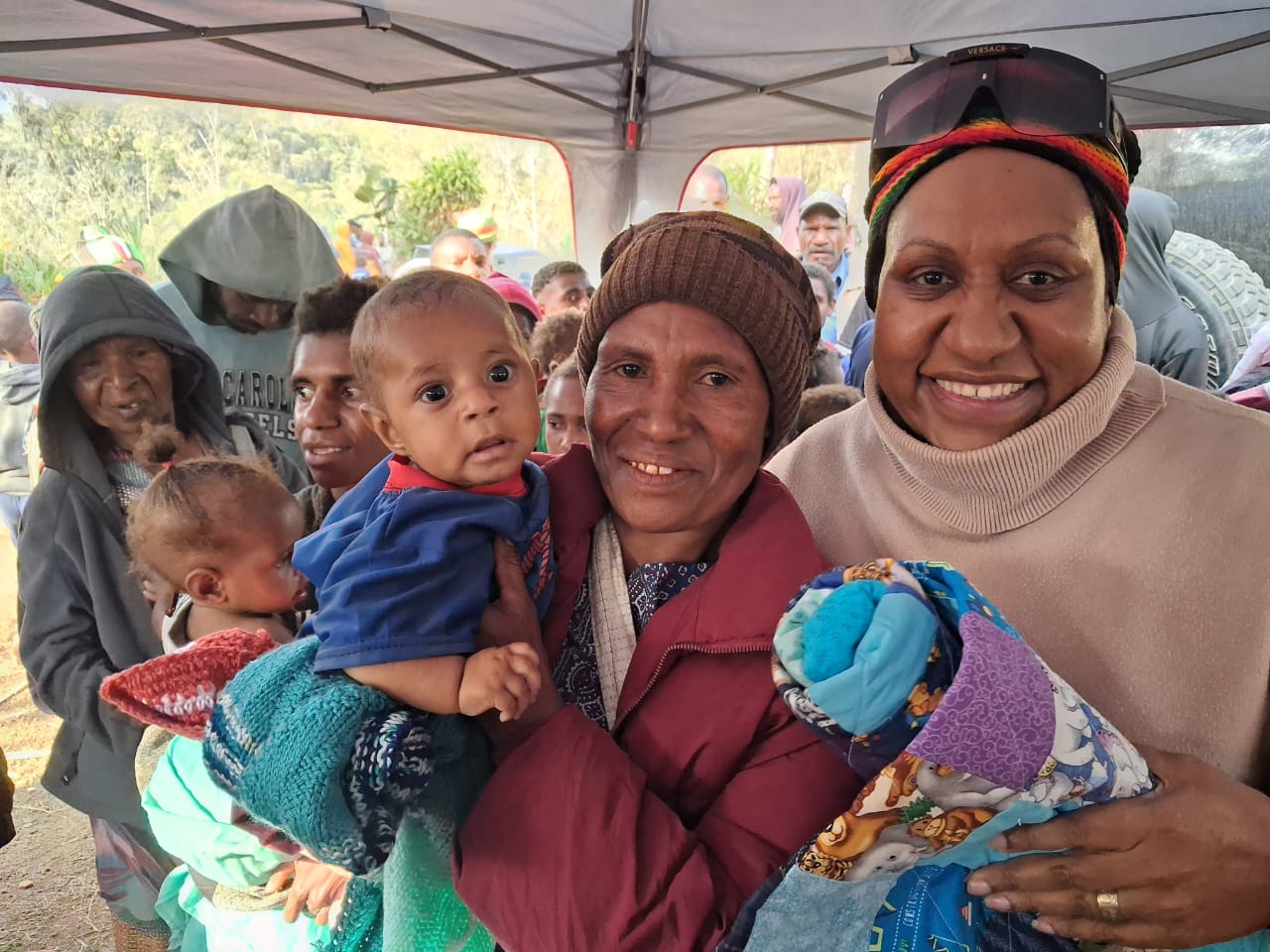
Among the goods distributed was brand-new school clothing generously donated by Kilmore International School.
The gathering was also attended by the Member for Henganofi District, Hon. Robert Artiyafa, who met with the MOFA Foundation team and community leaders.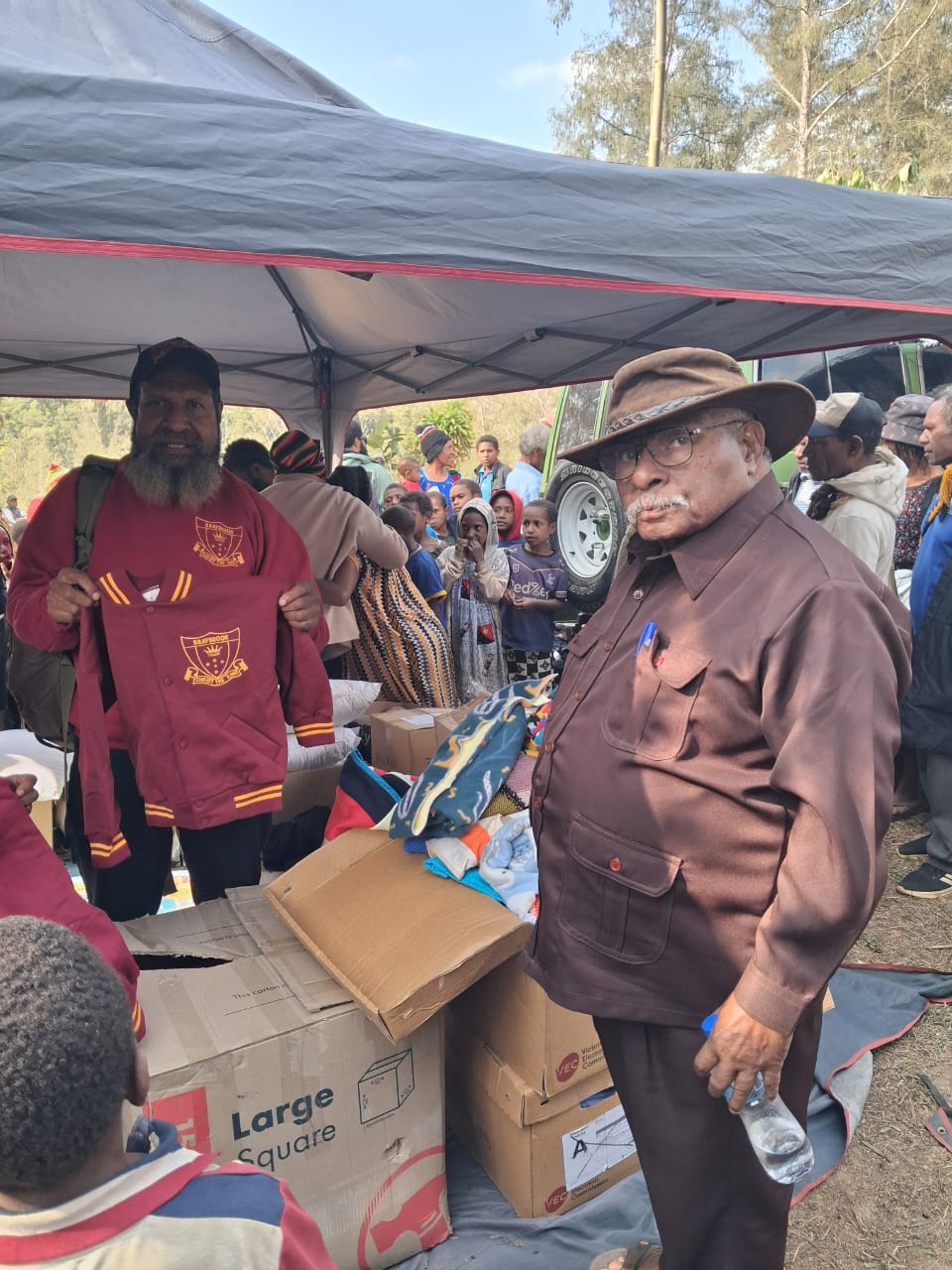
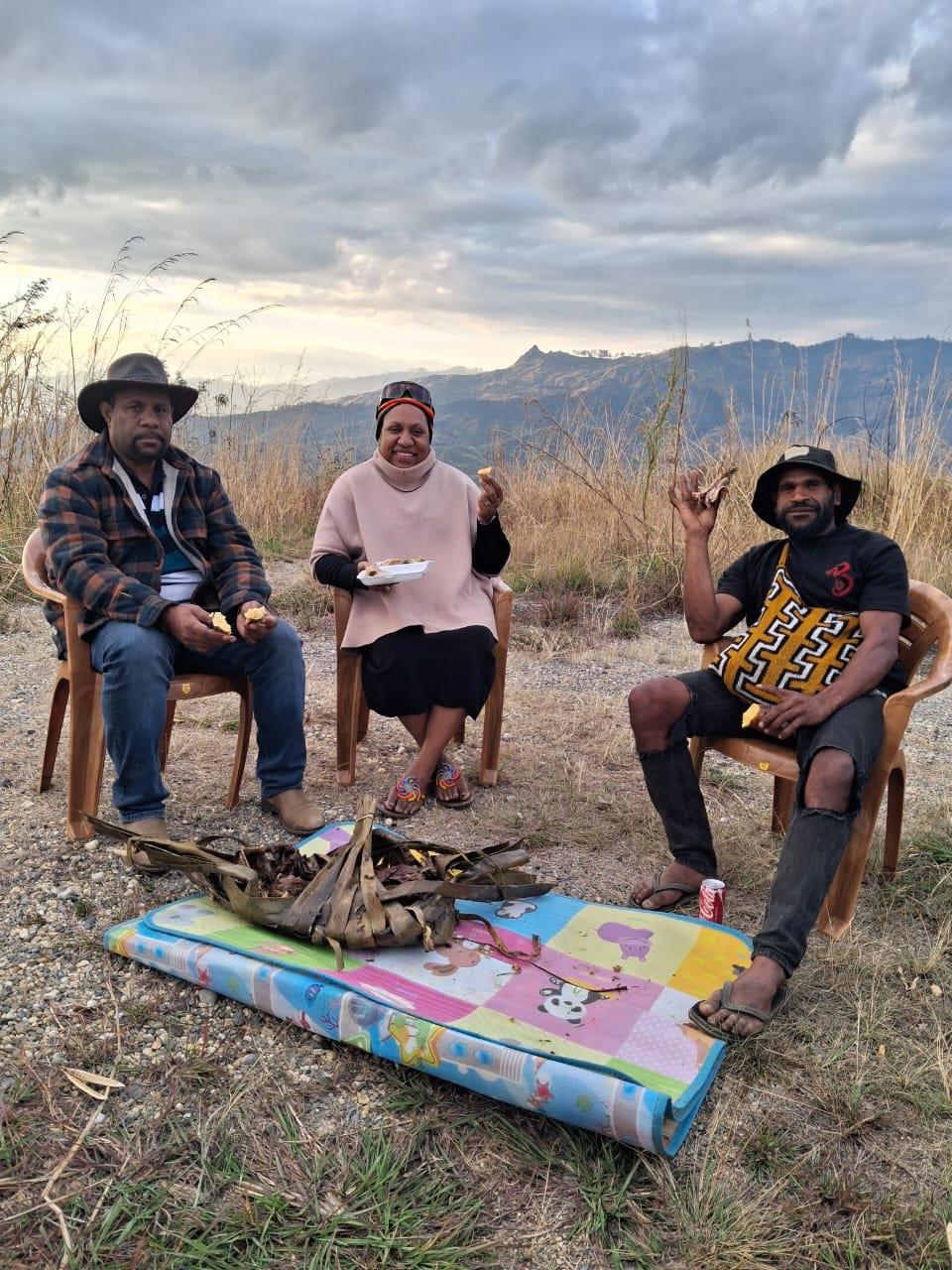
As dusk approached, the team stopped on their journey home to share a mumu, the traditional meal cooked in the ground, which had been given to them by their Kerebabe family. It was a fitting end to a day centred around community, reconciliation and friendship.
Supporting communities beyond donated goods
The photographs also demonstrate that MOFA Foundation's work extends well beyond distributing material goods.
In partnership with Mama Bank, the Foundation is helping deliver financial literacy training and access to finance in remote rural communities.
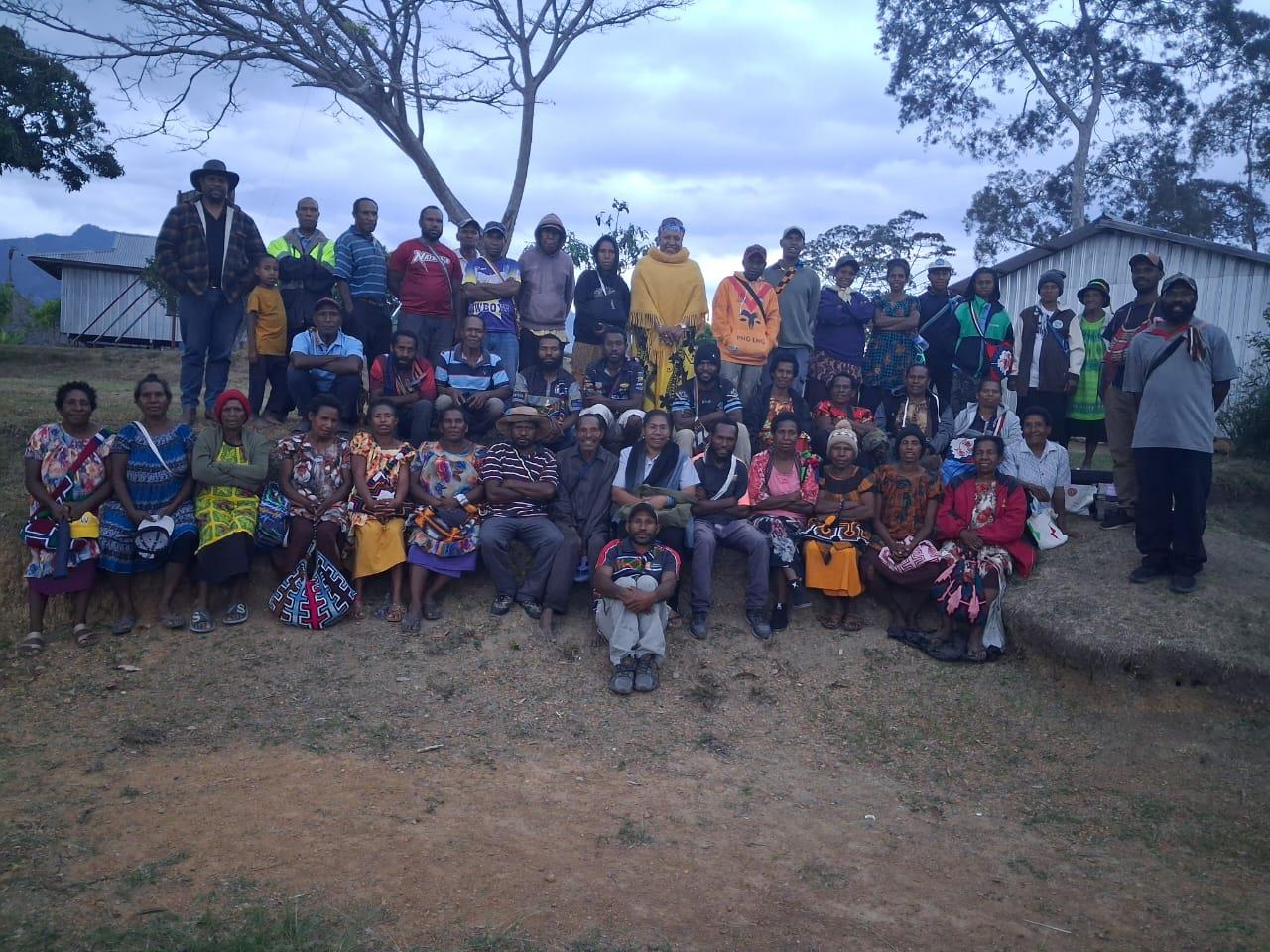
Just days after the Peace and Reconciliation Program, community leaders from the area walked for approximately three hours to Mt Sunuvi, where they joined around 75 villagers for financial literacy training and information about accessing finance.
It is a powerful reminder that sustainable support can take many forms — from meeting an immediate need through donated goods to helping individuals and communities build opportunities for the future.
Medical equipment reaching hospitals
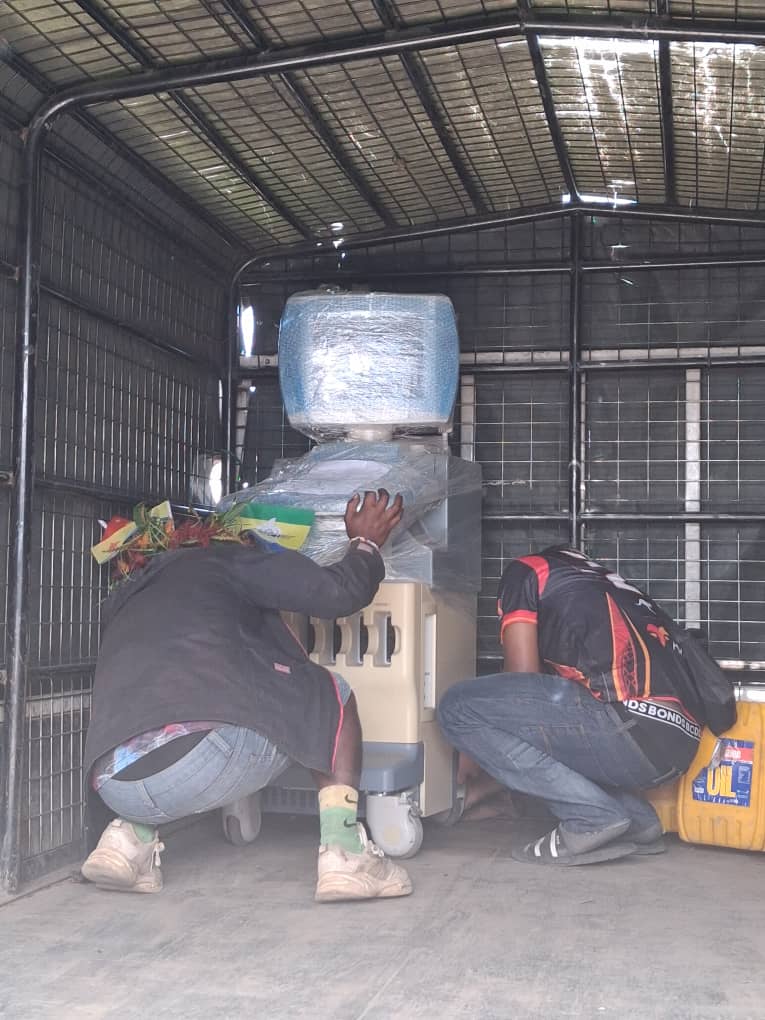
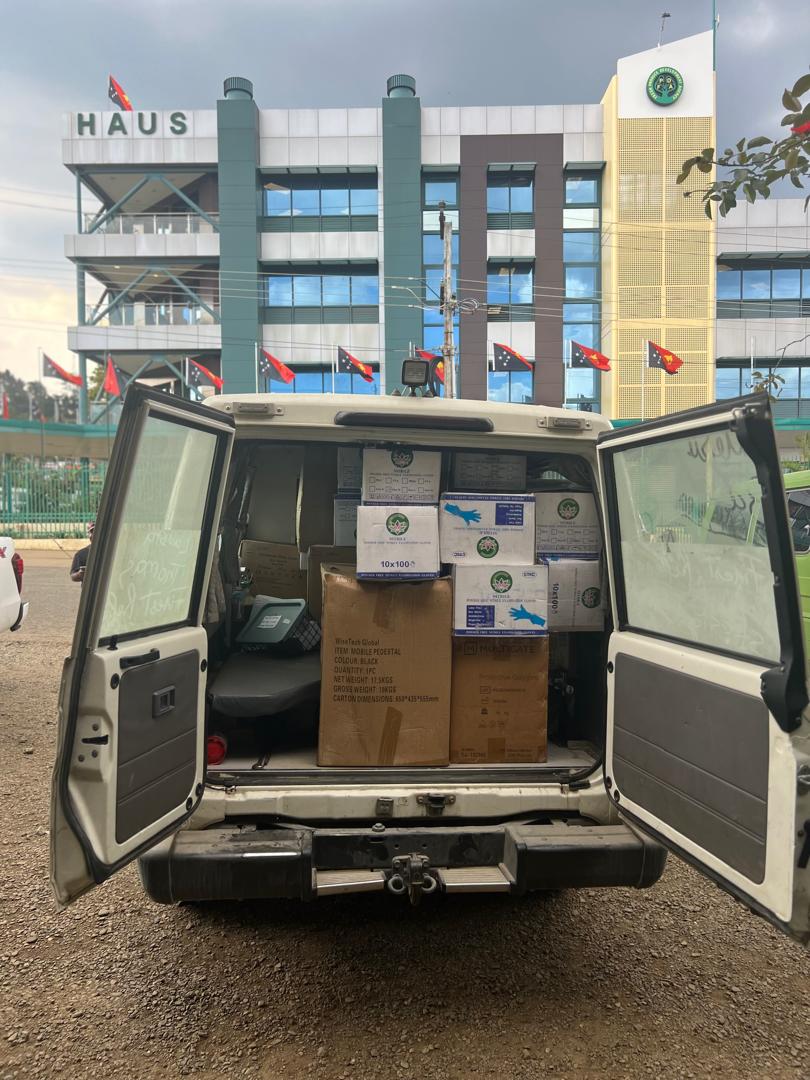
Other photographs show another important part of the container's journey — medical equipment and supplies being distributed to hospitals.
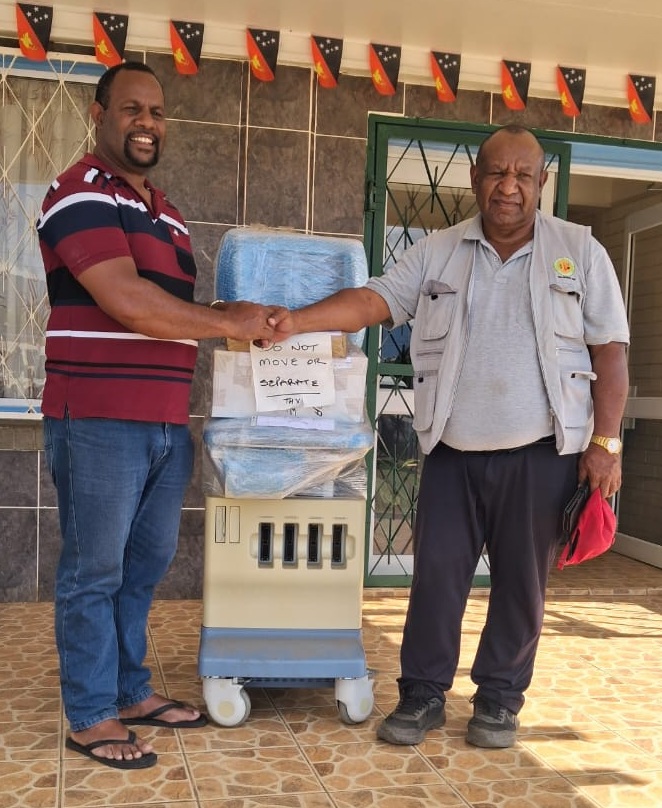
An ultrasound machine was delivered to Goroka Provincial Hospital, where it was formally handed over by MOFA Foundation to the Director of Public Health, Mr Michael Muri.
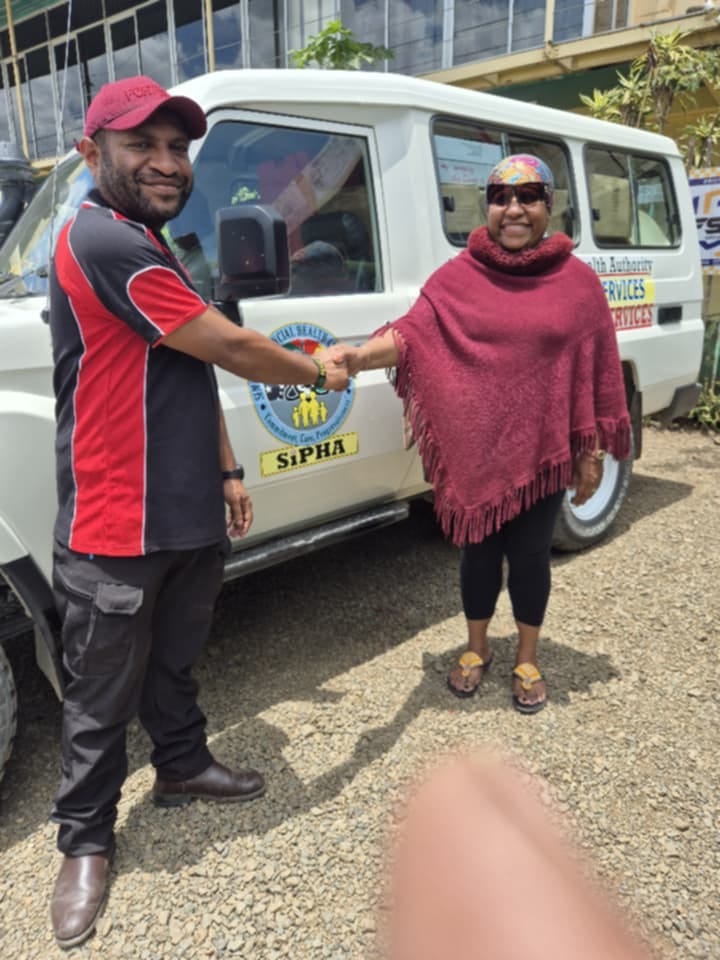 Medical goods were also collected for Kundiawa Hospital, with Dr Dimitry Kep collecting boxes allocated to the hospital along with some additional items.
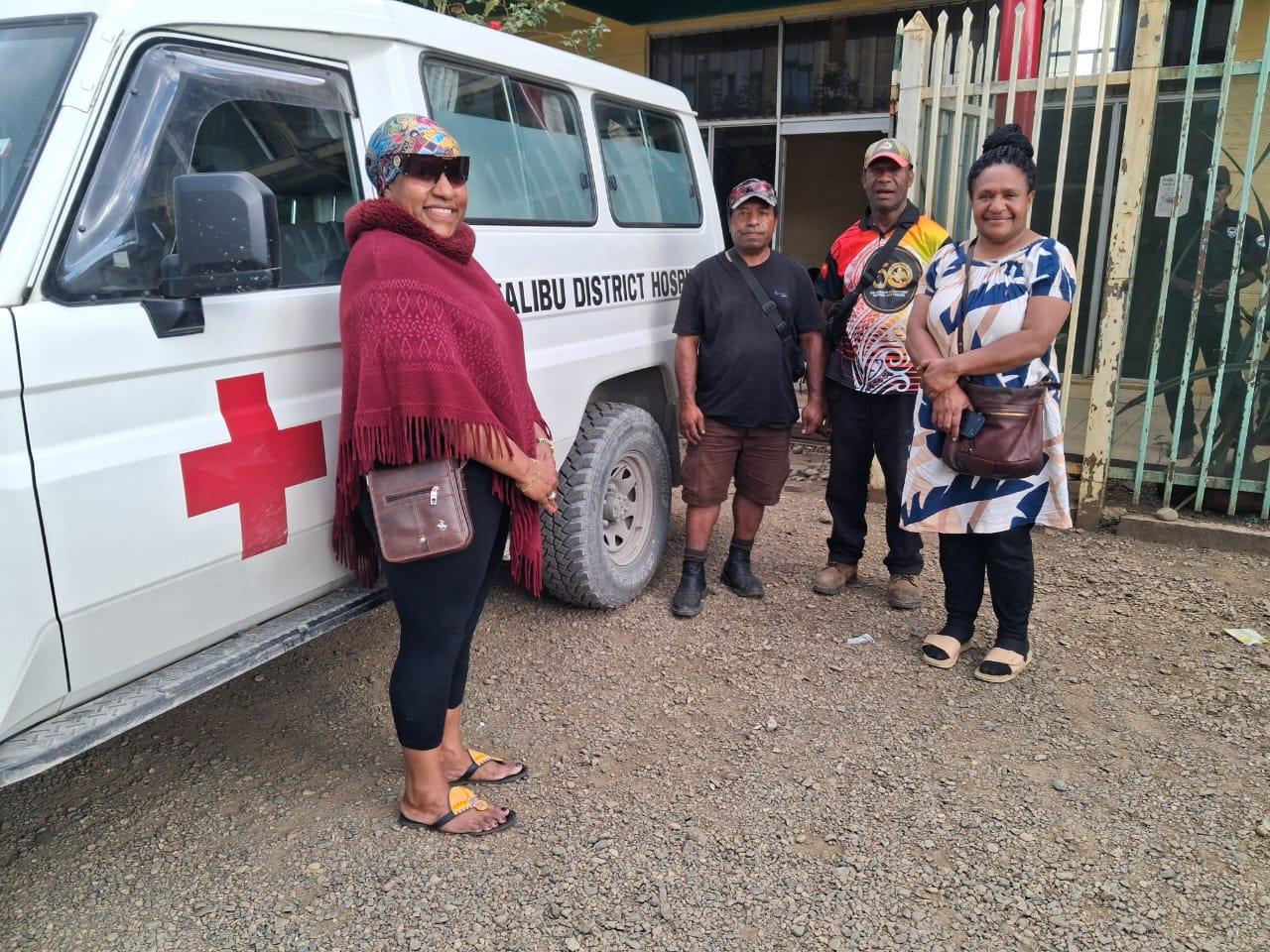
Further goods were packed for Ialibu Hospital, ready for Dr Undi to transport, with the MOFA team making sure the vehicle was as fully loaded as possible to make the long journey worthwhile.
This is why we SHARE
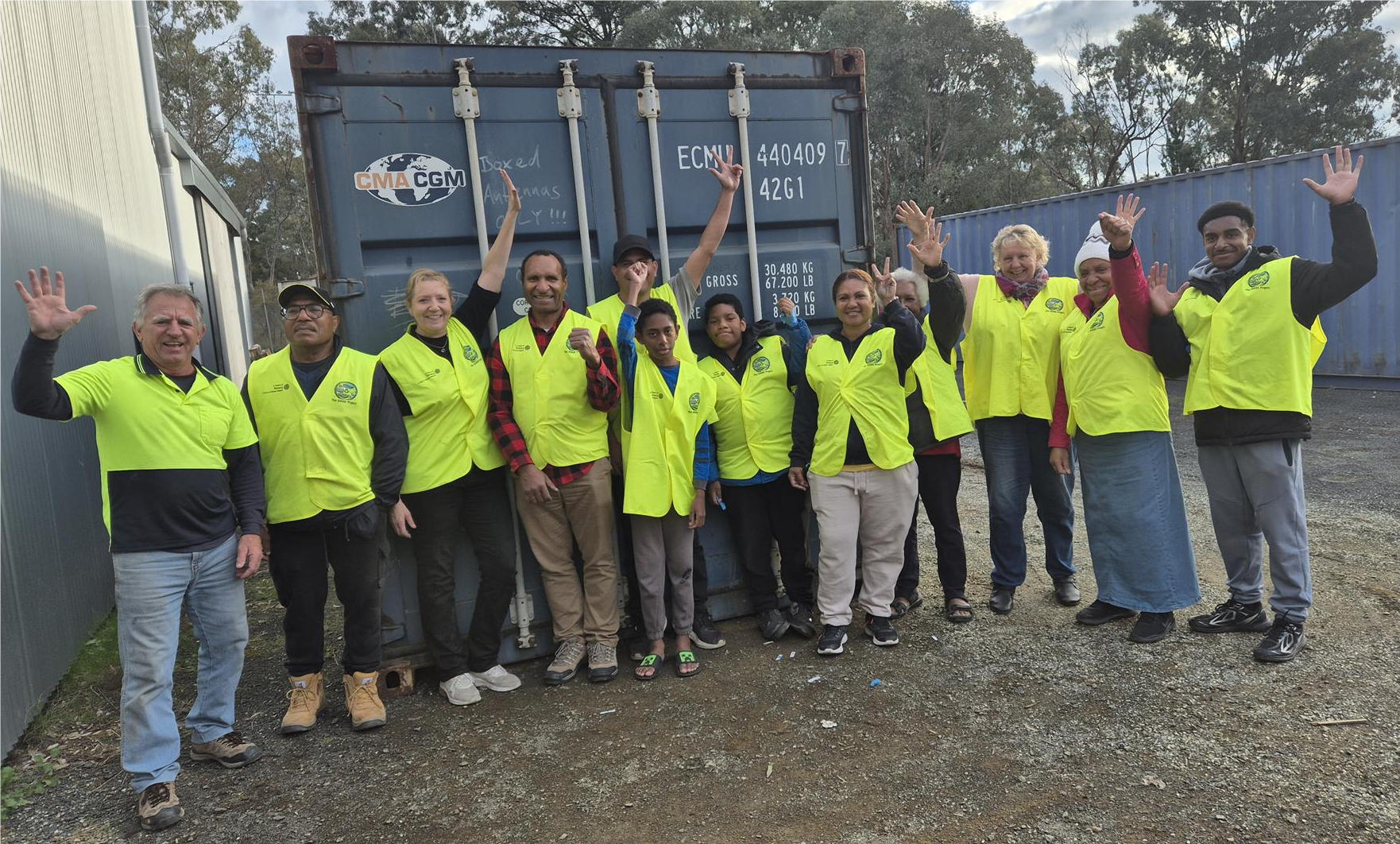
For everyone involved in collecting, sorting, packing, storing, funding and shipping goods from Australia, these photographs provide something very special — the opportunity to see where those items ultimately go.
A box packed in Australia becomes clothing for a family.
A donated toy becomes something treasured by a child.
Medical equipment that may no longer have been needed here becomes valuable equipment for a hospital.
And a shipping container becomes the starting point for many individual stories of practical assistance, dignity and connection.
Our sincere thanks go to the MOFA Foundation, particularly Nina Giheno and the team on the ground, for the enormous work involved in identifying where goods are most needed, transporting them — often considerable distances — and ensuring they reach the communities and organisations they were intended to support.
Thank you also to every Rotary club, organisation, donor and volunteer who has played a part in this container project.
The accompanying photographs tell the rest of the story far better than words ever could.
This is The SHARE Project Australia in action — giving useful items another life and helping them reach people and communities where they can continue to make a difference.